

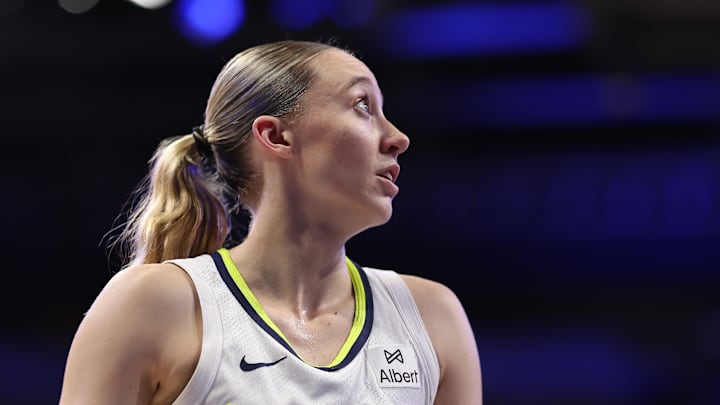
The month of February is approaching, and the lack of progress toward the 2026 WNBA season is becoming increasingly apparent. At this point, athletes and teams should be in the thick of free agency conversations and negotiations; the Toronto Tempo and Portland Fire should have already named their preliminary rosters; and many a mock draft should be plastered across the internet.
Instead, everyone who is invested in the league in pretty much any capacity is waiting for any kind of update that pertains to the CBA. The agreement signed in 2020 lapsed at the end of October, and since then the WNBA and the WNBPA have blown past multiple deadline extensions. Both parties are currently in a period of status quo and have put a moratorium on league business.
As it stands out, most reporting indicates the players have not received a response to their latest proposal to the league — and that no response is actually a response. If that's the case, things may not progress until one side decides to give something up.
That's a problem for everyone, but potentially the people most impacted by stalled negotiations will be the players currently active in the league. While they've made it clear that the CBA negotiations are for everyone, including future athletes in the league, they're the ones who have put their careers on the line to fight for what they feel they're owed. If they don't receive it, or if they authorize a strike, real lives will begin to be impacted. While some of the WNBA's biggest stars have brand and endorsement deals that will tide them over (and others are playing overseas, in Unrivaled, or in Athletes Unlimited), that's not true for everyone.
Is the WNBA popular, or is women's basketball?
There's a core question that a delay in the 2026 season might answer: is the WNBA itself more popular than women's basketball, or would fans migrate to other leagues if they had to? If the surge in interest is primarily centered on the league itself, then other leagues may struggle to attract viewership and attendance numbers that are sustainable.
But if the interest is in women's basketball as a whole, that may not be the case — and the growth of leagues like Unrivaled definitely appears to demonstrate that fans ultimately want to see elite players playing professional basketball under any league banner or logo. Time — and, hopefully, more conversations between the WNBA and WNBPA — will continue to dictate what happens next.
 Add us as a preferred source on Google