

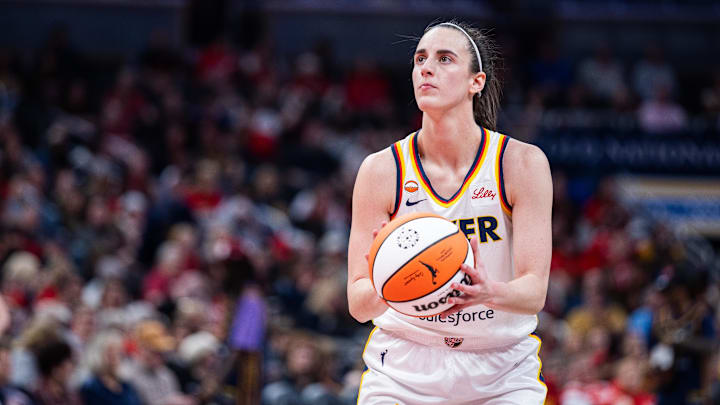
The WNBA preseason is underway and there's already a consistent theme: referees are calling infinitely more fouls than they did during the 2025 season. This is likely the result of requests from players and teams last year, when all involved parties said they wanted more fouls called this season.
Last year the emphasis appeared to be on encouraging a more physical game on the court, but the result was that several teams lost players to injuries that could have been prevented if more fouls had been called. The Indiana Fever notably ended the 2025 season with an outsized roster after Caitlin Clark, Syd Colson, Sophie Cunningham, and others suffered season-ending injuries during the coures of play.
It will take a few games for refs to get entirely synchronized on what does and does not constitute a foul, but the numbers of calls are already impressive. There were 61 fouls called during the Storm and Liberty's preseason game on Wednesday, and 58 fouls called when the Mercury and Sky played one another. Last night's match between the Wings and Fever also resuled in 61 calls.
An uptick in foul calls is (probably) a good thing for players
Several teams addressed their concerns about foul calls last season. The Fever's head coach Stephanie White unleashed a tirade against refs during the team's first playoffs game against the Atlanta Dream last season, something that resulted in a technical foul call against her (the Fever's then-guard Odyssey Sims also received a tech that game).
The emotional energy of the game reached a tipping point during the fourth quarter, after the Dream's Rhyne Howard wasn't called for a foul against Shey Peddy. While speaking to reporters after the game, White expressed her frustration with the calls but also said the Fever would simply adapt their game to work around what might or might happen.
Golden State Valkyries head coach Natalie Nakase also added her voice to the conversation last August. While speaking to reporters after a game against the Aces, Nakase implored game officials to make calls that were "consistent."
Both of these examples have something in common: coaches were becoming increasingly frustrated and vocal about their fouling concerns as the playoffs and championship game began to loom in sight. For the Valkyries, just making the playoffs in their first year of existence was a huge deal, and it's understandable Nakase didn't want that thwarted due to bad calls. For the Fever, the team had survived so much to make it to playoffs, and the idea of bad calls stopping the team in their tracks was difficult to swallow.
The season is still extremely young — the regular season doesn't start until next week. Time will tell if the new foul rules will stick, and what the WNBA will look like going forward.
 Add us as a preferred source on Google